
Vermicast · 5kg / 25kg / 50kg
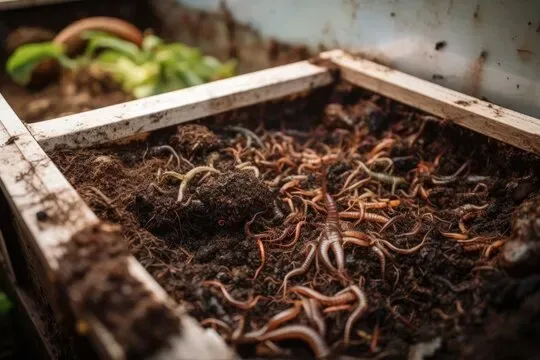
Premium Vermicompost
NPK 2.1 / 1.6 / 1.4 · pH 7.0 · OM 32% · Microbial CFU 10⁹/g
Stable, odour-free, screen-graded. Cured 30 days minimum before bagging.
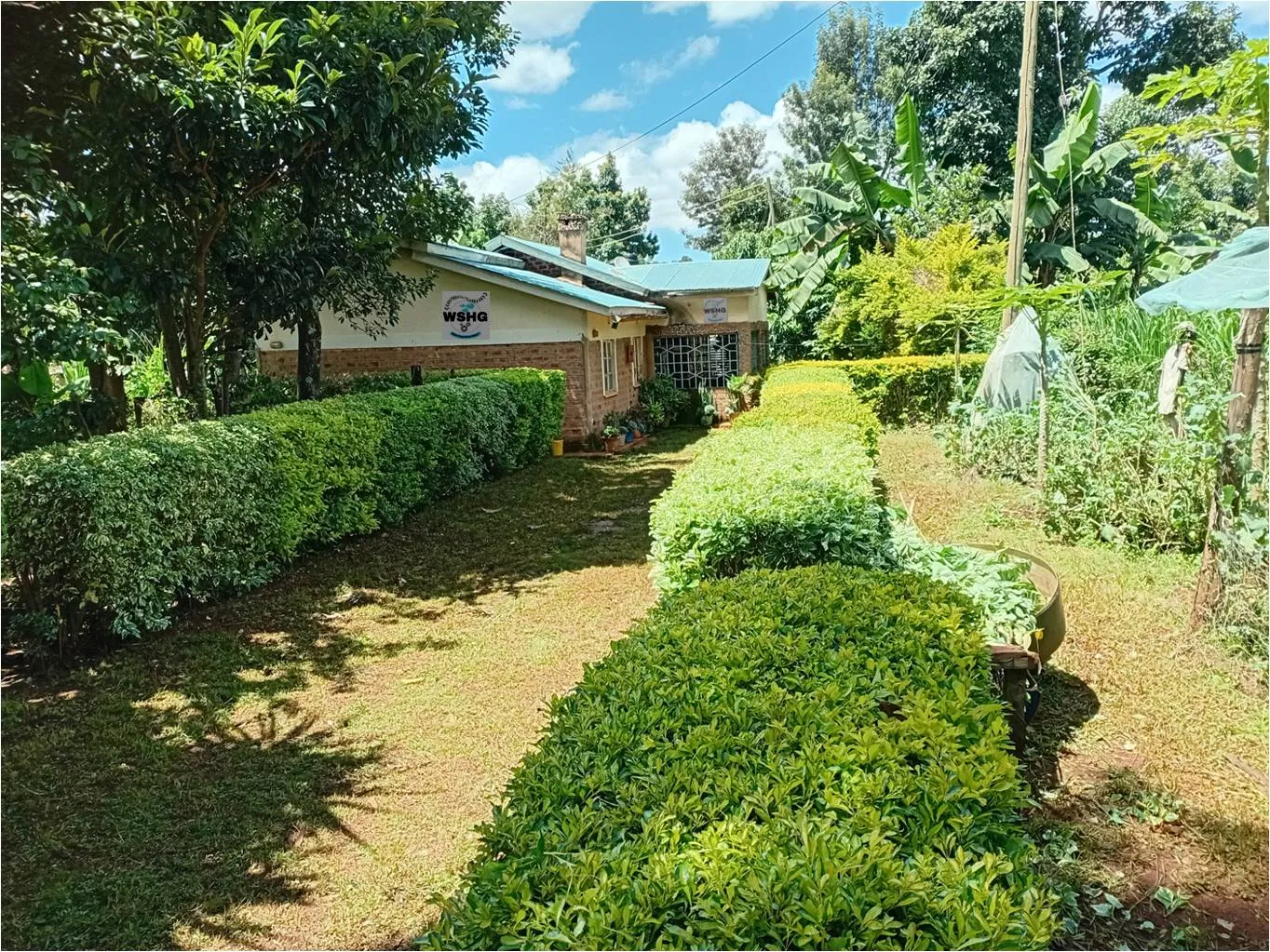
WSHG is a collaborative group of companies delivering climate-smart agricultural solutions to build resilience against climate change and rainfall variability in vulnerable communities.

We are an interdisciplinary group of companies combating climate change. Our expertise bridges the gap between vulnerability and resilience in the agricultural sector.
For years, we have run on-farm trials at the foot of the Cherangany Hills to design systems that work for the people who actually grow food, mitigating the impacts of rainfall variability.
Every initiative we deploy from our current manual irrigation to vermicomposting, to Agroforestry with Fertilizer Tree Species is a calculated step towards climate-smart agriculture, resilience and long-term food security.
Each pillar is engineered to feed the next. Solar pumps water the crops; crop residues feed the digester; the digester feeds the worms; the worms feed the soil; the soil feeds us all.
Drip, sprinkler, and micro-spray systems powered entirely by the sun.
We engineer off-grid irrigation that turns dryland plots into year-round producers sized for the smallholder and the urban rooftop alike.
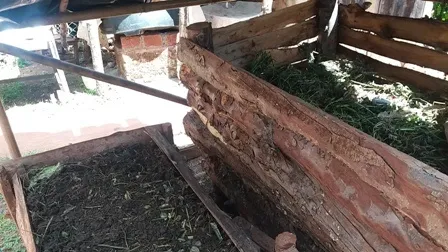
Eisenia fetida earthworms convert organic waste into living soil amendment.
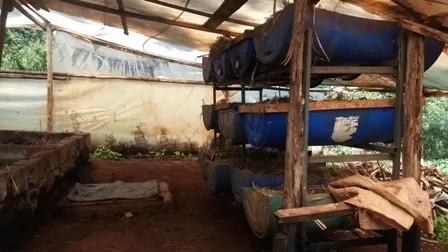
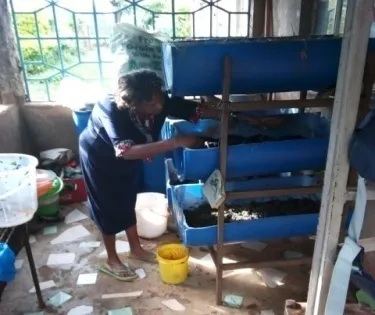
Modular bins, climate-tuned bedding, and a continuous-flow design that yields premium vermicast in 45 days from kitchen and farm waste.
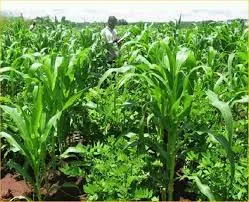
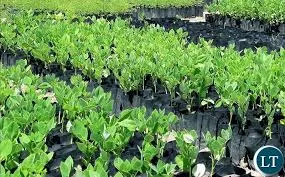
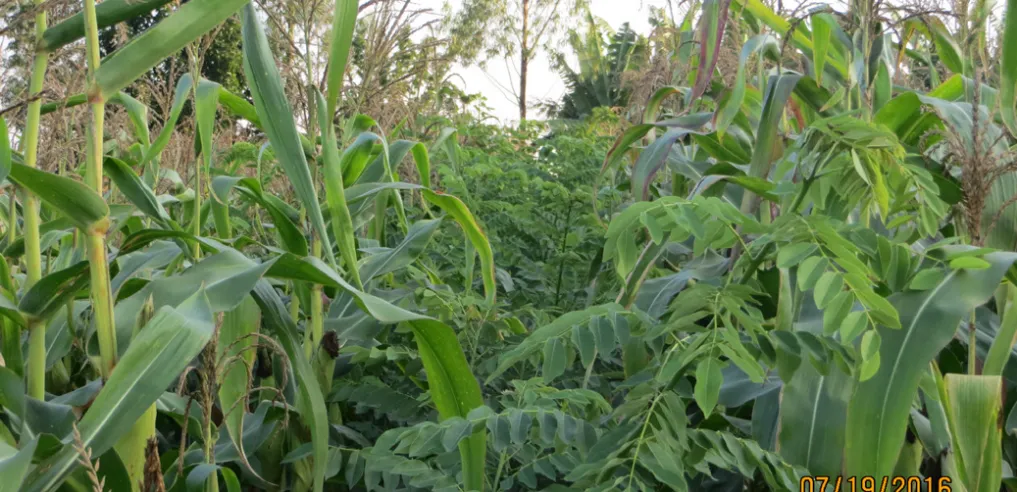
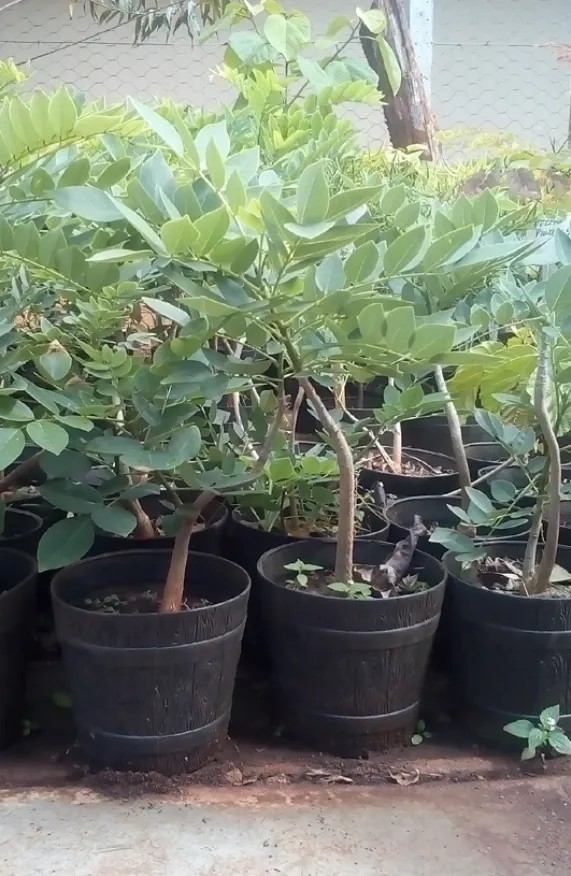
Gliricidia sepium for nitrogen fixation, fodder, and living mulch.
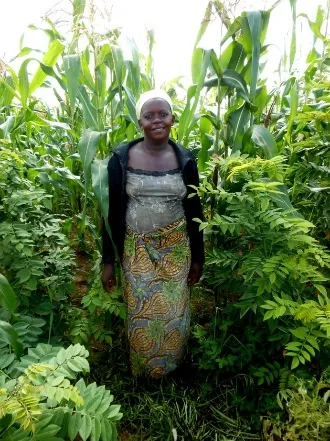
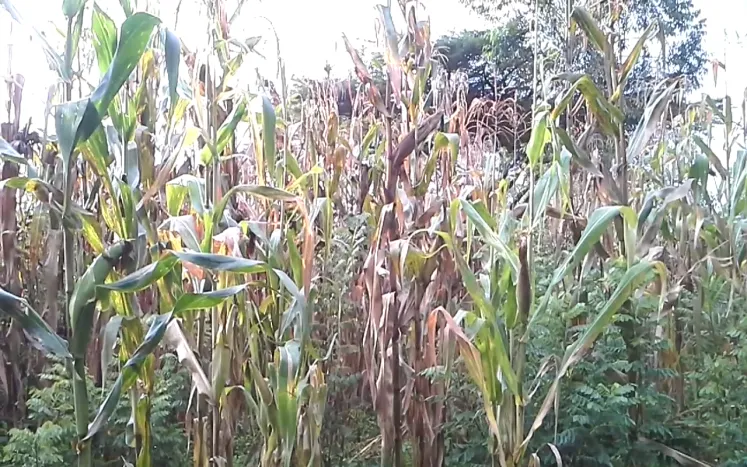
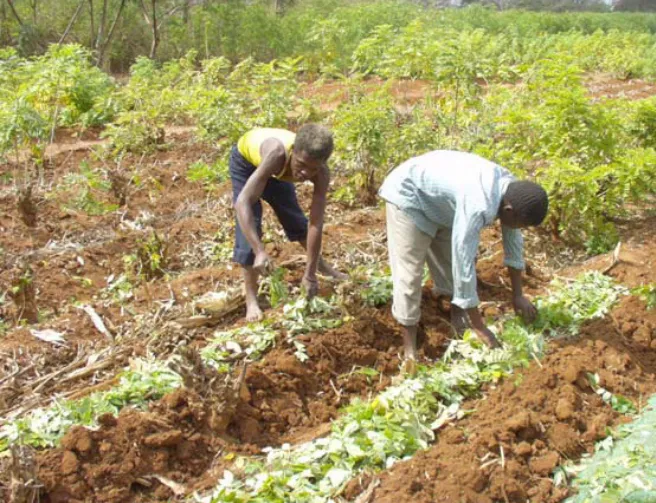
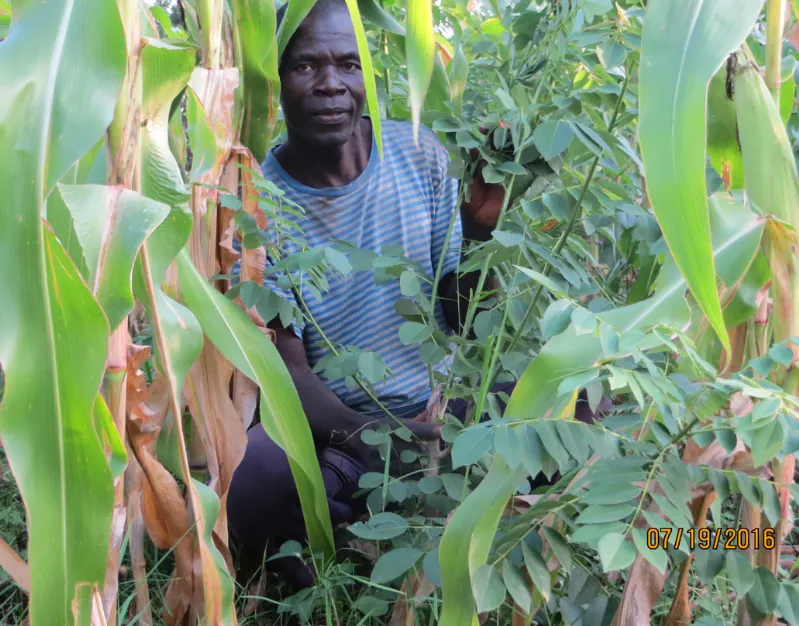
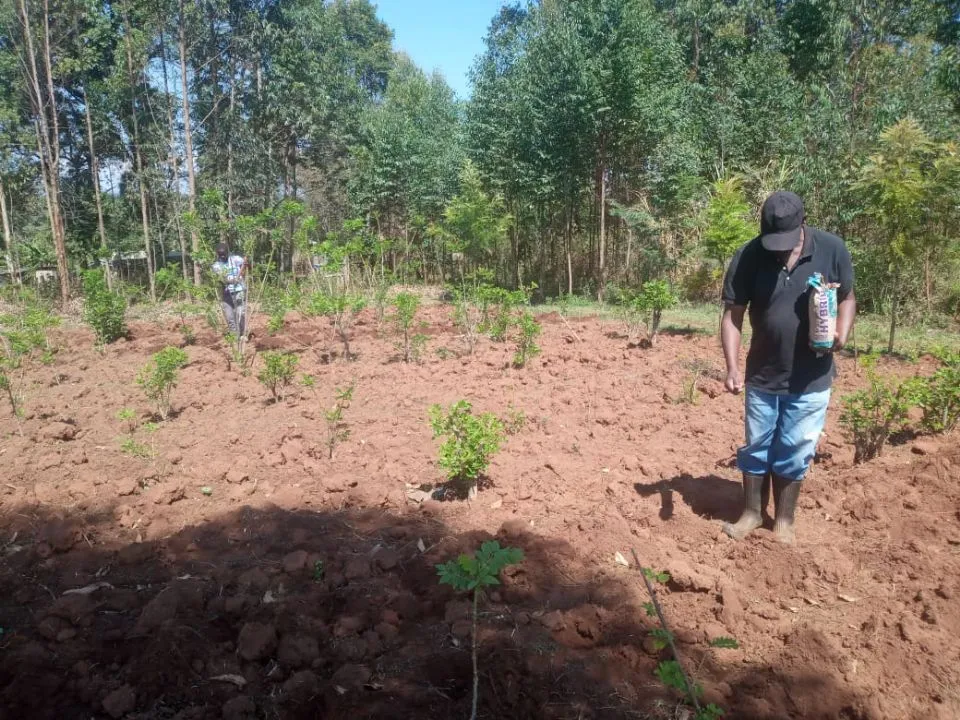
Intercropped at 4×4m spacing, Gliricidia restores depleted soils, breaks the maize-monoculture cycle, and adds resilience against drought.
Fixed-dome and Tubular digesters to Floating drum digesters, built on site.
Clean cooking energy plus nutrient-dense slurry, the upstream feedstock for our vermicompost loop. We design, build, and commission.
Action research on soil biology, microbial inoculants, and crop response.
On-farm trials since 2018 in partnership with WSHG, documenting yield, nutrition, and economic outcomes for regenerative practice.
Heard of vermi compost? Well its simply organic compost but using worms to help in the decomposing process. How do you do it and what are the benefits? We head to Kenya to meet two sisters Betty and Ruth who make vermi compost in their back garden and they tell us how it helps in climate change.
BBC What’s New and BBC Actu Jeunes are the BBC’s first bilingual programmes for teenagers, brought to you by the BBC World Service to discuss important issues for young people across Africa.
This is the 1st of a series of webinars planned on the vermicomposting project in partnership with the African Climate Leadership Program, discussing technical fundamentals and community impacts.
Minimum productivity boost from vermicompost
From kitchen waste to finished vermicast
Year action-research began in Kitale
Organic inputs from kitchen, farm, livestock.
Anaerobic digestion → clean cooking energy.
Nutrient-rich effluent leaves the digester.
Eisenia fetida process the slurry & bedding.
Living soil amendment, microbially active.
Resilient yields. Cycle restarts.
NPK 2.1 / 1.6 / 1.4 · pH 7.0 · OM 32% · Microbial CFU 10⁹/g
Stable, odour-free, screen-graded. Cured 30 days minimum before bagging.
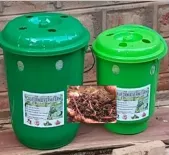
Capacity 10 kg/wk · Footprint 0.4 m² · PVC bins
We currently use PVC bins to turn household organic waste into garden-ready vermicast. Plans are underway to fabricate a continuous flow vermireactor from PVC bins especially made for rural and urban homes.
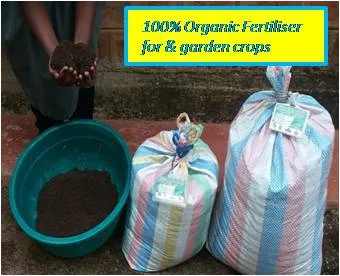
All-purpose nutrient enrichment
Premium organic compost to restore soil structure and boost yields naturally.
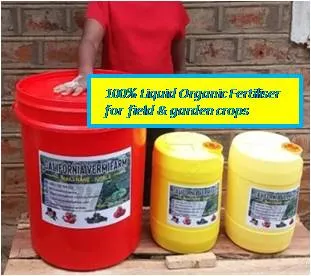
Foliar and soil application for field & garden crops
A fast-acting, nutrient-dense liquid extract that rapidly improves plant vitality and crop resilience.
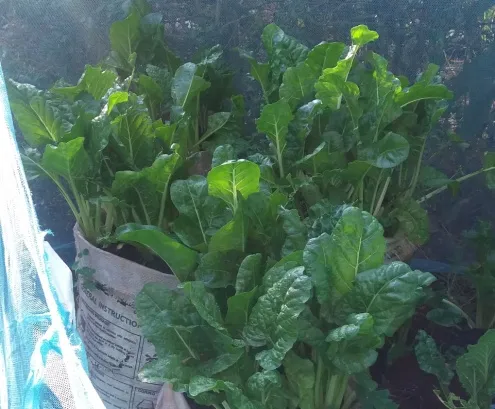
Grown using our premium vermicast systems
Nutrient-dense, organically grown spinach cultivated year-round for optimal freshness and health.
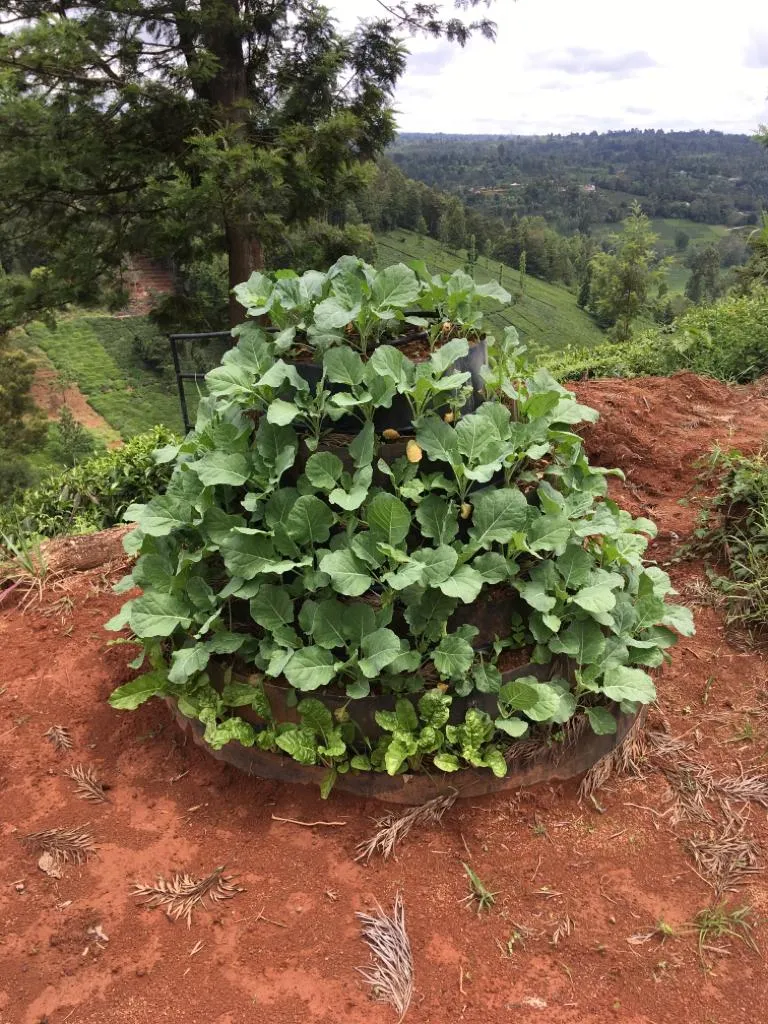
Grown using our premium vermicast systems
Organically grown, crisp kales cultivated year-round to ensure a consistent, premium harvest.
Wesakhulila Self Help Group (WSHG) began with a clear mission: to confront the devastating impacts of climate change and rainfall variability on local agriculture in Western Kenya.
By combining our diverse skills and expertise, we set out to prove that smallholders can overcome these challenges through climate-smart agriculture. Today, our group of companies leads the region in deploying sustainable, replicable systems that build resilience.
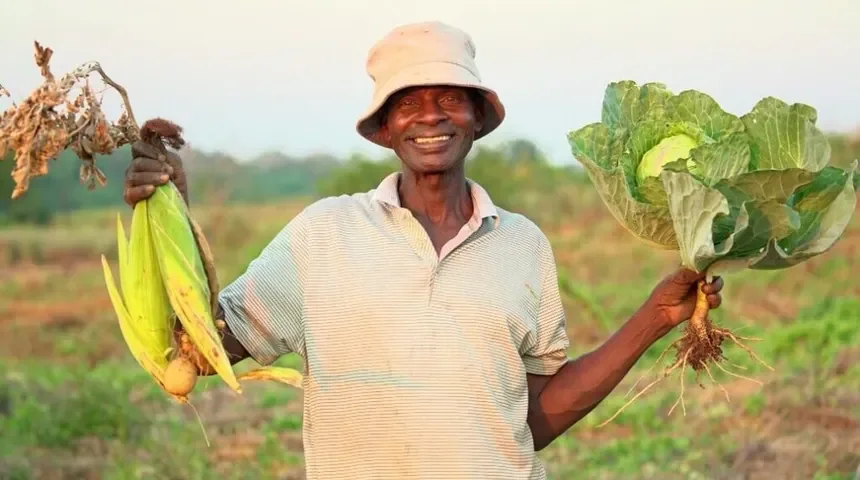
We monitor real plots and real harvests, photographed at the exact same GPS pin, season after season. Witness the dramatic transformation of degraded land into thriving, high-yield agricultural ecosystems through our climate-smart interventions.
We harvested kale every fortnight for an entire dry season. Unheard of in this village.
The biogas runs our school kitchen. The slurry runs our shamba. Nothing is wasted.
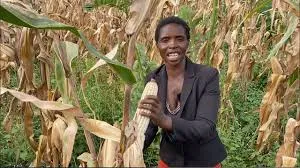
Maize cobs are bigger. The neighbours noticed first.
The vermicompost changed my soil completely. What used to be hard clay is now soft, rich, and full of life.
Planting Gliricidia alongside our crops was the best decision. We no longer rely on expensive synthetic fertilizers.
Our community has seen a massive increase in crop yields since adopting the tied-ridge application model. Truly revolutionary.