
Research at WSHG
Evaluating the environmental cost of agrochemicals and pioneering organic alternatives to mitigate greenhouse gas emissions and enhance global food security.
The Historical Context & The Climate Cost
The Green Revolution
The green revolution of the 1950s and 1960s helped to increase the efficiency of agricultural processes so that the productivity of crops was increased, allowing developing countries to face their growing populations' food needs.
The Agrochemical Cost
The use of agrochemicals ushered in this green revolution by boosting food productivity, but at a significant cost to the environment.
GHG Emissions
The emission of greenhouse gases (GHGs) induces global warming and climate change from the agricultural sector, which contributes some 33% of the GHGs, including N₂O, CO₂, and CH₄.
Current Research
Mitigating N2O emissions by enhancing the nitrogen content of vermicompost.
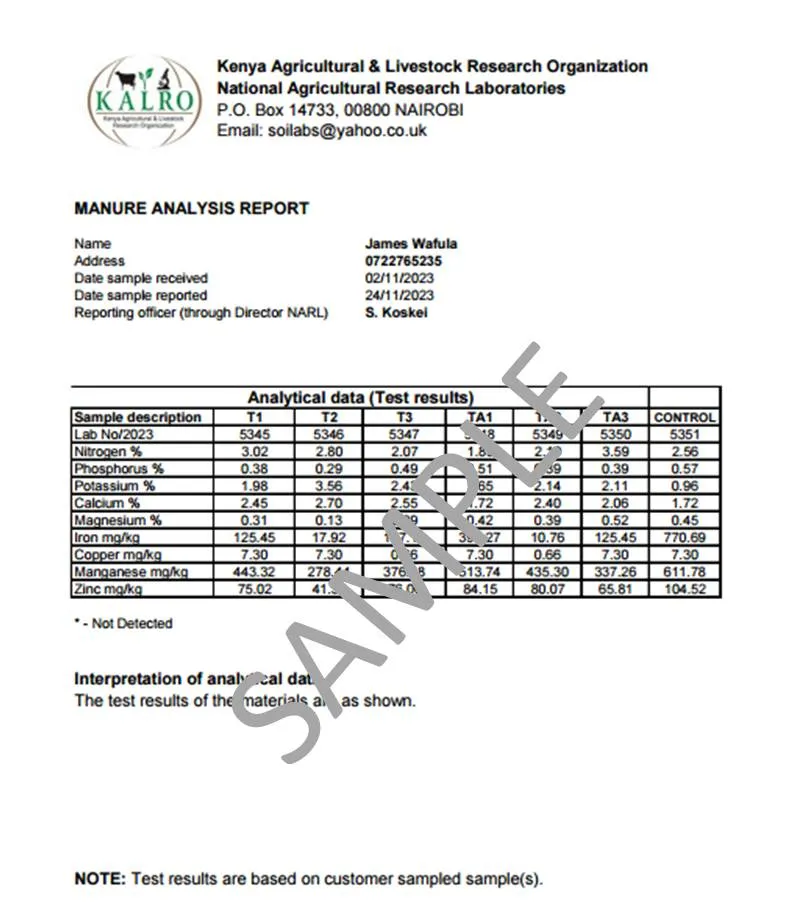
In this study, a comparison is made of the nutrient content of the vermicompost produced from different treatments of composted cattle manure with the leafy biomass of Gliricidia sepium and Tithonia diversifolia respectively using a species of earthworms known as Eisenia foetida.
The content of the macro elements (N, P, K) and micro elements (magnesium, iron, copper, manganese, and zinc) in the vermicompost obtained from the treatments is determined over a period of 16 weeks and the results analyzed using an Analysis of Variance (one-way ANOVA) with the significance set at the 0.05 level.
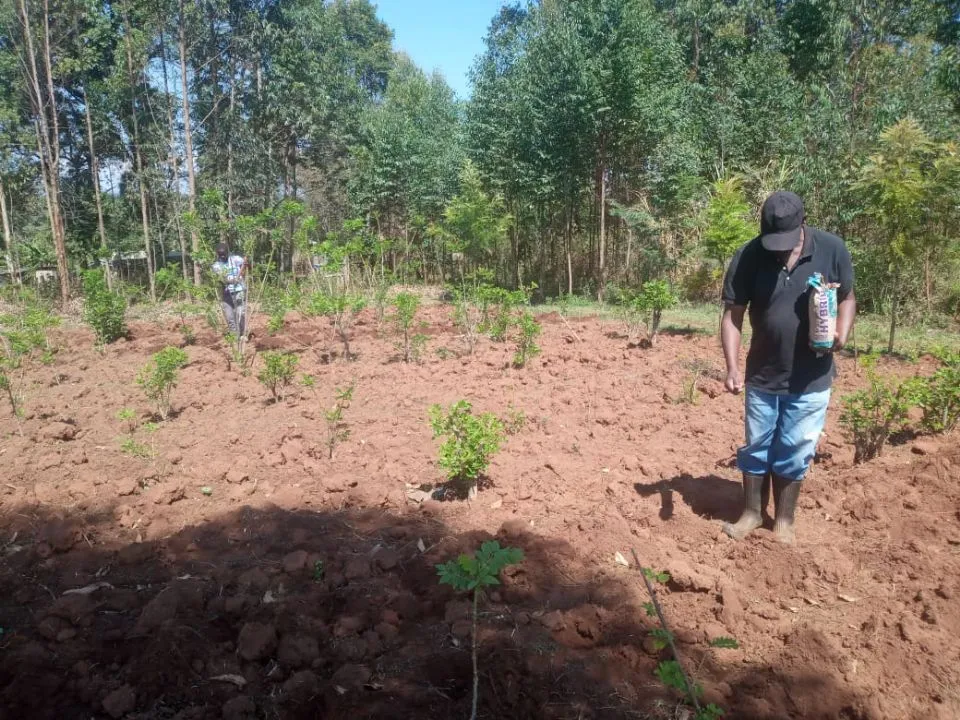
The resulting vermicompost is subsequently used in an Action Research Integrated Soil Fertility Management project on maize field trials.
Measurement Equipment & Tools

Thermometer
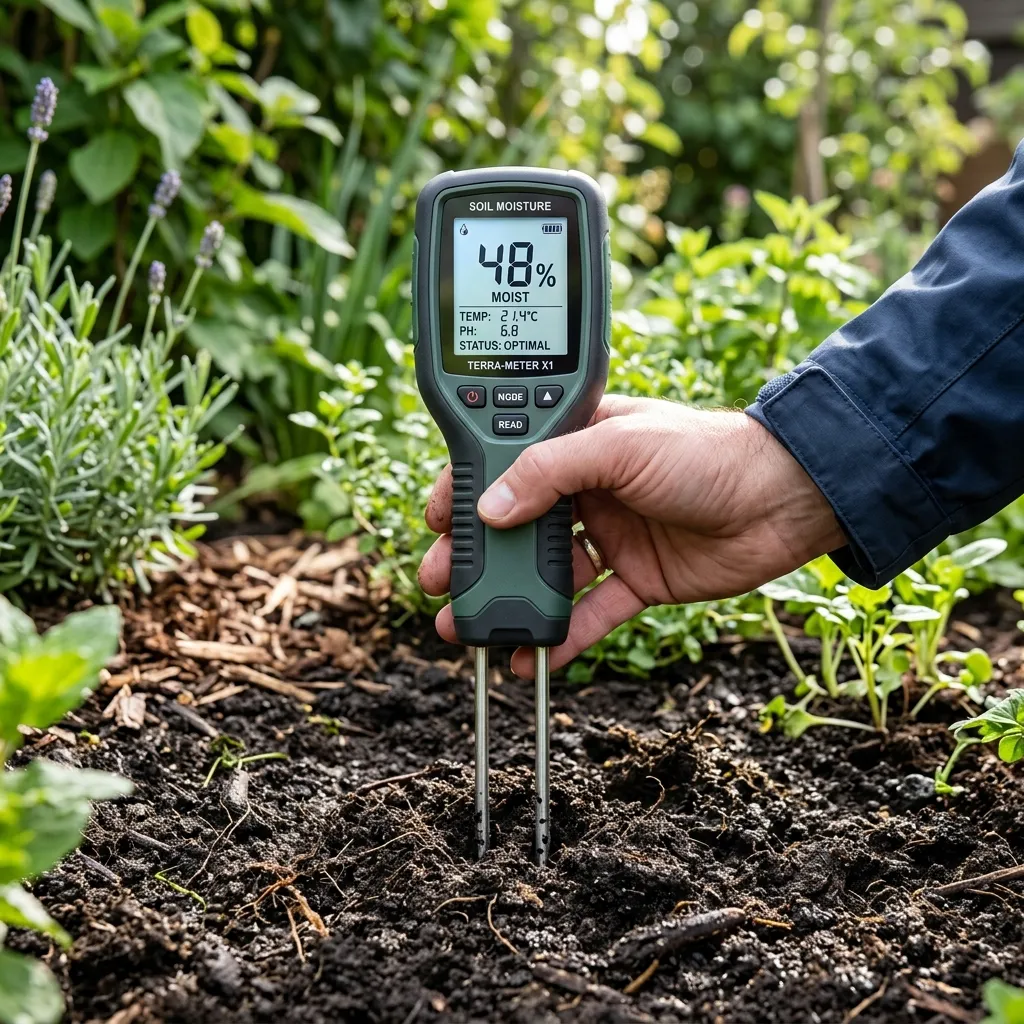
Moisture
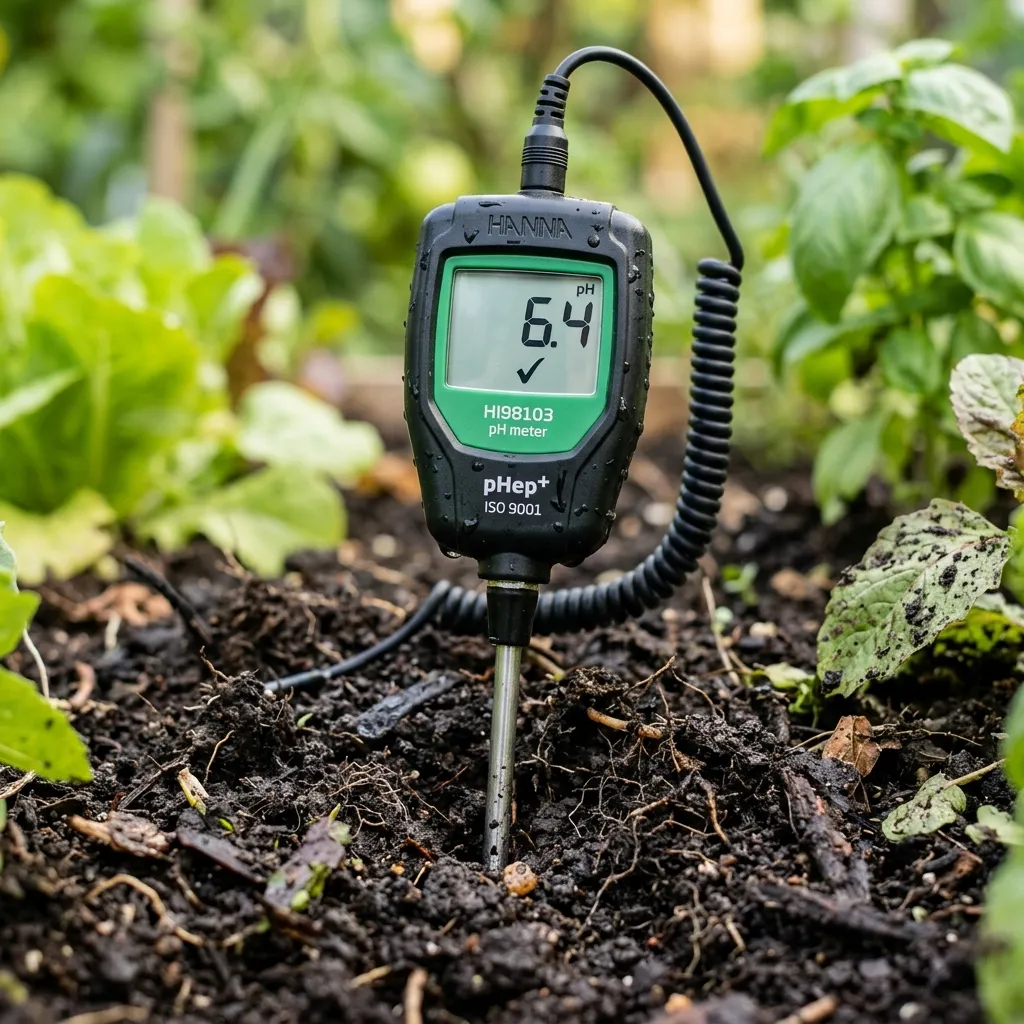
pH Meter
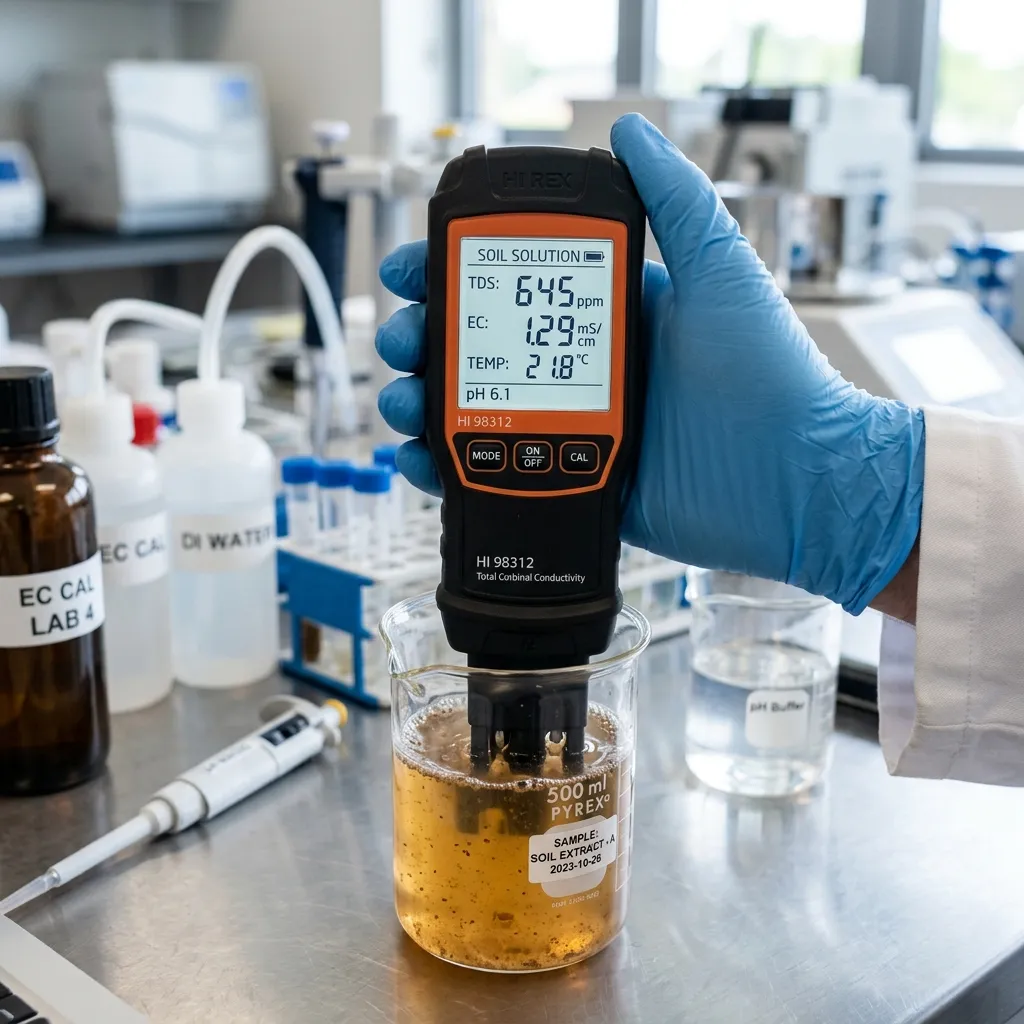
TDS/EC
Preliminary Measurements (WSHG Lab)
- • Temperature: measured with a field compost thermometer.
- • Humidity (moisture content): measured with a compost moisture meter (NRG MS810 Soil Moisture Sensor).
- • pH: measured with a soil pH meter (Kelway Soil Acidity/Moisture Meter).
- • TDS & EC: measured with a digital TDS & EC meter.
Further Tests (KALRO Laboratories, Nairobi)
- • Nutrient estimations: digestion in tubes with H₂SO₄, Salicylic acid, H₂O₂, and Selenium.
- • Potassium (K): determined with a flame photometer.
- • Phosphorus (P): determined calorimetrically by a spectrophotometer.
- • Nitrogen (N): measured by distillation followed by titration with 0.1N HCl.
- • Ca, Mg, Cu, Zn, Mn, Fe: measured using Atomic Absorption Spectrophotometry (AAS).
- • pH: measured using a Jenway model 3510 meter.

The Threat of Nitrous Oxide (N₂O)
A significant amount of Nitrogen found in Urea and other chemical fertilisers is oxidized by sunlight and lost from soil into the air as N₂O, a greenhouse gas with a global warming potential nearly 312 times that of CO₂.
Chemical fertilizers release their nutrients quickly in soil and deplete via oxidation into ammonia (NH₃) and N₂O. Researchers calculate that upon application of 100 kg Urea in farm soil:
- 40-50 kg oxidizes & escapes as NH₃ and N₂O
- 20-25 kg leaches underground polluting groundwater
- Only 20-25 kg is available to plants
Agriculture is responsible for about 60% of the global N₂O production owing to heavy synthetic fertiliser use and sustained use of legumes without proper management.
N₂O Production Pathways
Nitrification & Denitrification
When Nitrogen enters the soil as NH₄⁺ and NO₃⁻, microbial processes drive N₂O emissions, heavily influenced by soil texture, organic C, pH, and precipitation.
Integrated Soil Fertility Management (ISFM)
Integration of synthetic fertilizer, organic inputs, and improved crop varieties can significantly influence soil properties and affect N₂O emissions.
Mitigating N₂O emissions by enhancing vermicompost.
In this study, a comparison is made of the nutrient content of vermicompost produced from different treatments of composted cattle manure with leafy biomass of Gliricidia sepium and Tithonia diversifolia using Eisenia foetida earthworms.
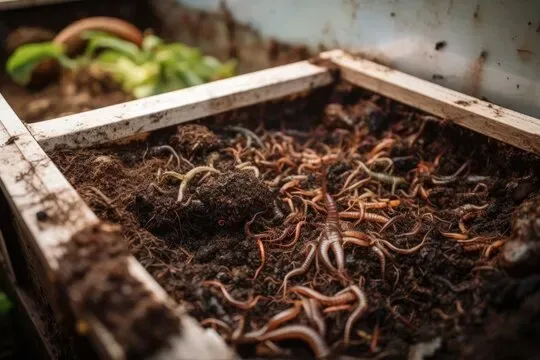

Nutrient Content Analysis
The content of macro elements (N, P, K) and micro elements (Mg, Fe, Cu, Mn, Zn) is determined over a period of 16 weeks. Results are analyzed using a one-way ANOVA with significance set at the 0.05 level.
Action Research ISFM
The resulting vermicompost is subsequently used in an Action Research Integrated Soil Fertility Management project on maize field trials.
Preliminary & Laboratory Measurements
WSHG In-House Lab
Preliminary Measurements
Temperature
Measured with a field compost thermometer to ensure optimal biological activity.
Humidity / Moisture
Measured with an NRG MS810 Soil Moisture Sensor (Indoor/Outdoor).
pH Levels
Measured with a Kelway Soil Acidity/Moisture Meter and TDS & EC meters.
KALRO Laboratories
Kabete, Nairobi
Nutrient estimations involve digestion in tubes with H₂SO₄, Salicylic acid, H₂O₂, and Selenium. Organic matter is oxidized by 30% H₂O₂ at 100°C, and digestion is completed with conc. sulphuric acid at 330°C.
Nitrogen (N)
Measured by distillation followed by titration with 0.1N HCl.
Phosphorus (P)
Determined calorimetrically by a spectrophotometer.
Potassium (K)
Determined with a flame photometer.
Micro Elements
Ca, Mg, Cu, Zn, Mn, Fe measured using Atomic Absorption Spectrophotometry (AAS).
Laboratory pH measured using a Jenway model 3510 meter (UK).
KALRO Manure Analysis Report