
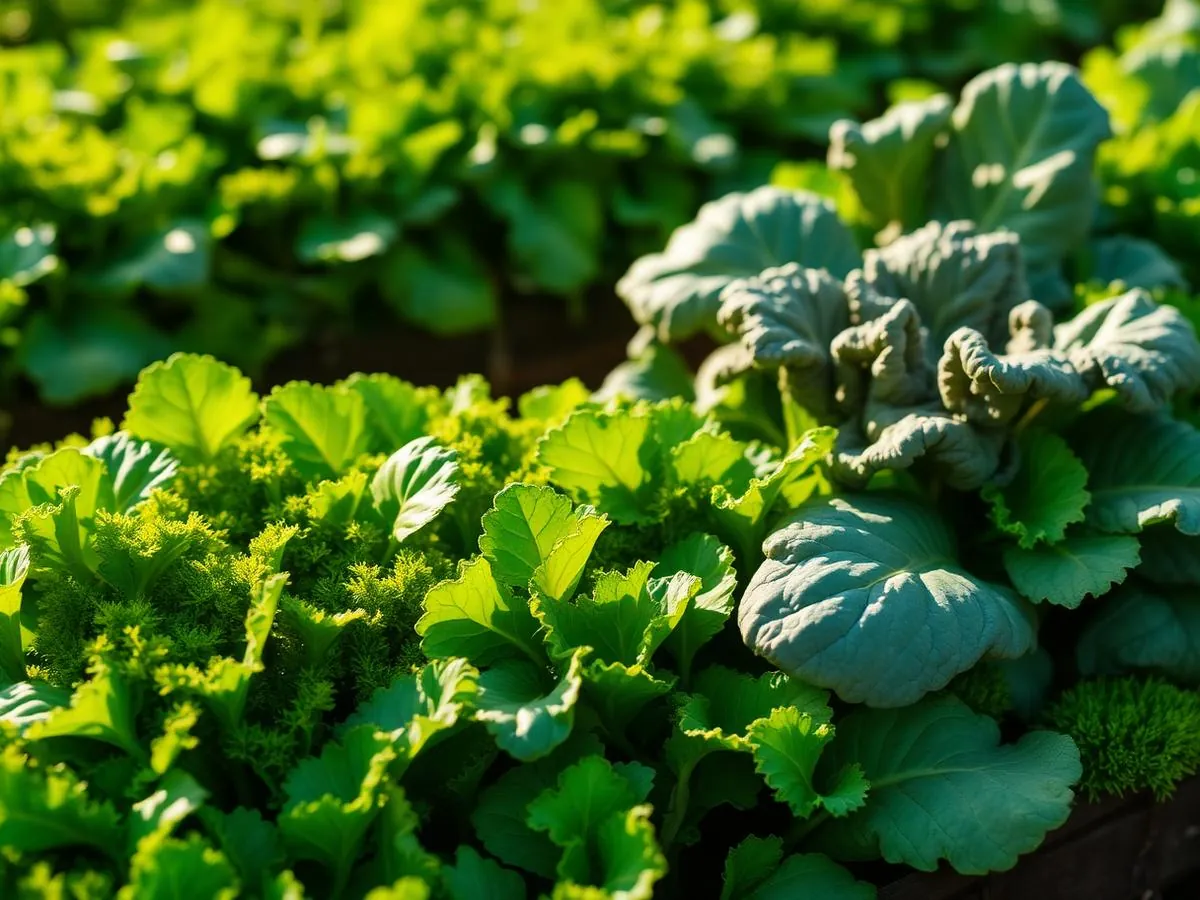
Science in the soil.
We engineer closed-loop ecosystems that rehabilitate degraded land, boost crop yields by over 300%, and establish absolute food security.
Soil Biology & Vermiculture
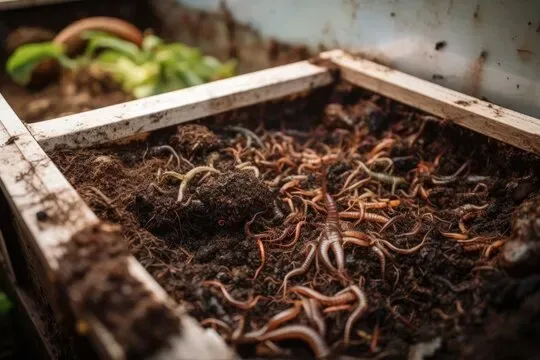
Our core biological engine centers on advanced vermicomposting using Eisenia foetida (Red California Worms). Renowned for their exceptionally fast breeding and digestion rates, they efficiently transform cattle manure, plant residues, and organic wastes into high-quality, scentless organic casting.
Microflora Restoration
Naturally increases soil microflora and supplies concentrated nutritive elements, enzymes, and growth hormones that chemical fertilizers lack.
Disease Resistance
Enhances plant stamina, accelerates root development, regulates pH balance, and builds powerful resistance to root diseases.
Domestic Recycling Units
To close the loop at the household scale, we distribute compact recycling units that allow urban growers and offices to directly transform kitchen scraps (peels, eggshells) into premium worm castings right on-site.
Gliricidia sepium Agroforestry
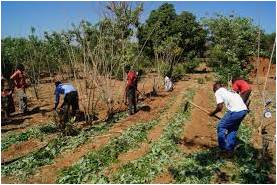
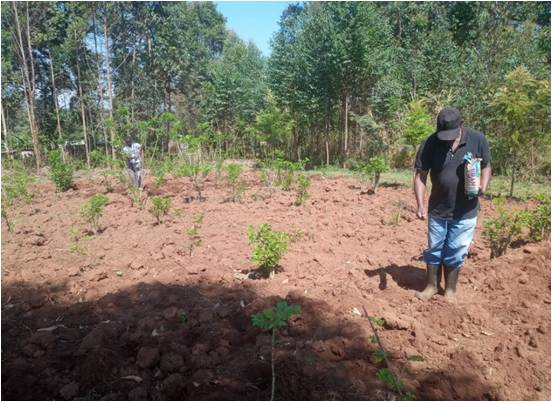
Gliricidia sepium is a highly drought-tolerant, fast-growing, multipurpose legume tree. By intercropping it with staple crops, we construct a continuous, self-sustaining green manure engine. It is highly tolerant to frequent pruning (every 2-3 months during growing seasons) and draws up deep subsoil nutrients.
The Tied-Ridge Application Model
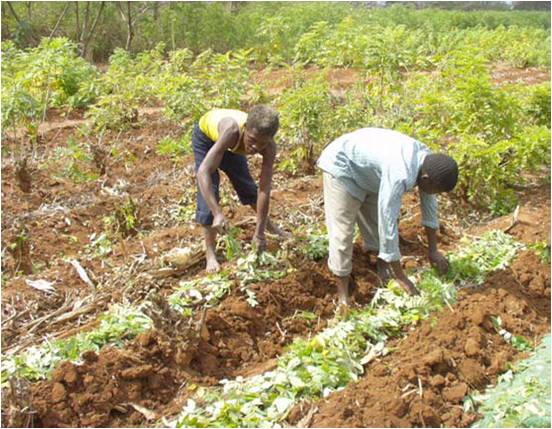
For maximum nitrogen retention and accelerated decomposition, we train farmers to apply the green manure using a specialized tied-ridge protocol:
Split Ridges
Existing ridges are split directly in the field prior to the planting season.
Apply Biomass
Freshly cut Gliricidia leaves and twigs are layered densely into the split channels.
Bury Manure
New ridges are built over the biomass, burying the organic matter completely.
Retain Nitrogen
Shallow burial prevents volatile nitrogen gas loss from direct sunlight exposure.
The Data Behind the Yield.
Crop Yield Improvement
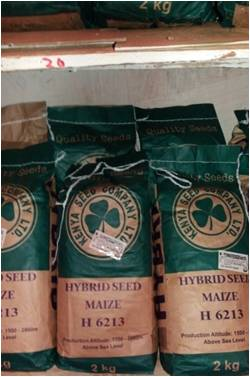
Proven increases in staple crops like maize on impoverished soils compared to control plots.
Nitrogen Fixation / ha / yr
Gliricidia rapidly fixes atmospheric nitrogen directly into the root zone.
Baseline Productivity Jump
Minimum productivity increase guaranteed by rehabilitating soils with our organic castings.
Dry Wood Yield / ha
Sustainable biomass generated annually when spaced densely for woodlots.
Seed Production / ha
Potential yield from uncut Gliricidia trees, yielding ~8,000 seeds per kilogram.
Organic & Non-Toxic
Zero chemical dependency. Pure ecological restoration from seed to harvest.
Gliricidia Spacing Guidelines
Precision planting architectures designed for specific ecological and agricultural outcomes.
Green Manure Rows
Planted within rows spaced 3–4 meters apart, with trees 0.5–1 meter apart. Optimizes space for standard tractors or hand tillage to establish staple crops without root interference.
Dedicated Woodlots
Highly dense spacing recommended when cultivating strictly for firewood, charcoal, or gasification biomass. Yields massive annual tonnage.
Fences & Hedges
Ultra-dense spacing to stabilize terrace walls, prevent runoff erosion, or build robust living animal boundary hedges by creating a tight root network.
Manual Hand Drawn Pulley System
Water security drives biological activity. WSHG currently relies on manual hand-drawn pulley systems to draw water from hand-dug wells, a resilient technology utilized by virtually all residents in this neighborhood. This establishes a consistent, localized water supply for both our vermicompost breeding beds (requiring strict moisture regulation) and our dense vegetable plots.
Community-Proven Resilience
By leveraging accessible, hand-drawn well systems, we maintain independence from grid infrastructure. Our system remains closed and highly replicable: organic waste recycling feeds the soil, nitrogen-fixing trees protect the canopy, and community-driven water access hydrates the entire ecosystem.
Vertical Gardens for Rural Homesteads
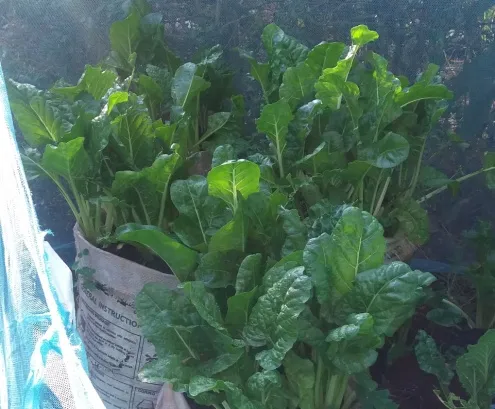
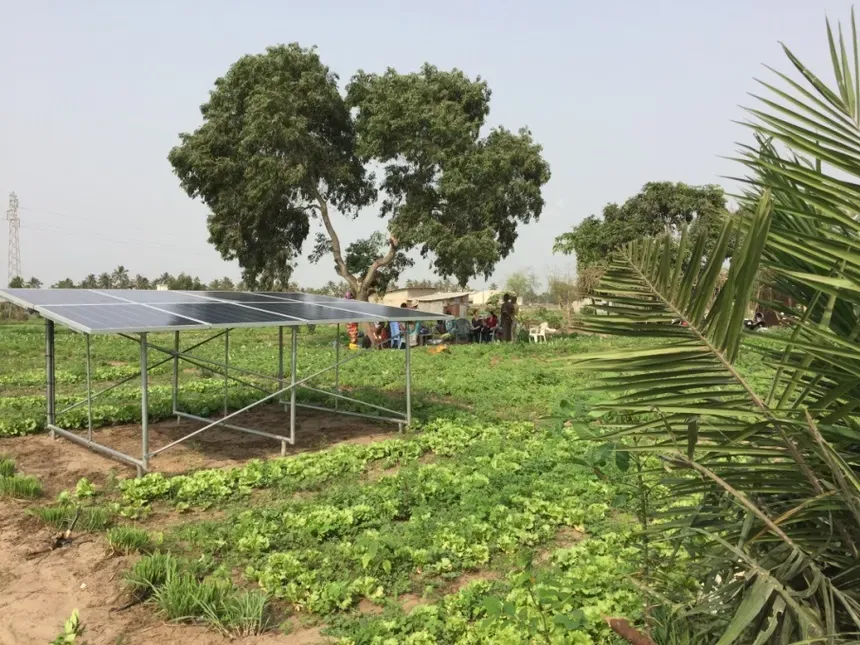
We integrate manual water drawing methods with innovative vertical hydroponic systems. These water gardens allow rural households to grow high-density, fresh vegetables year-round using minimal water and space, directly attached to their homesteads.
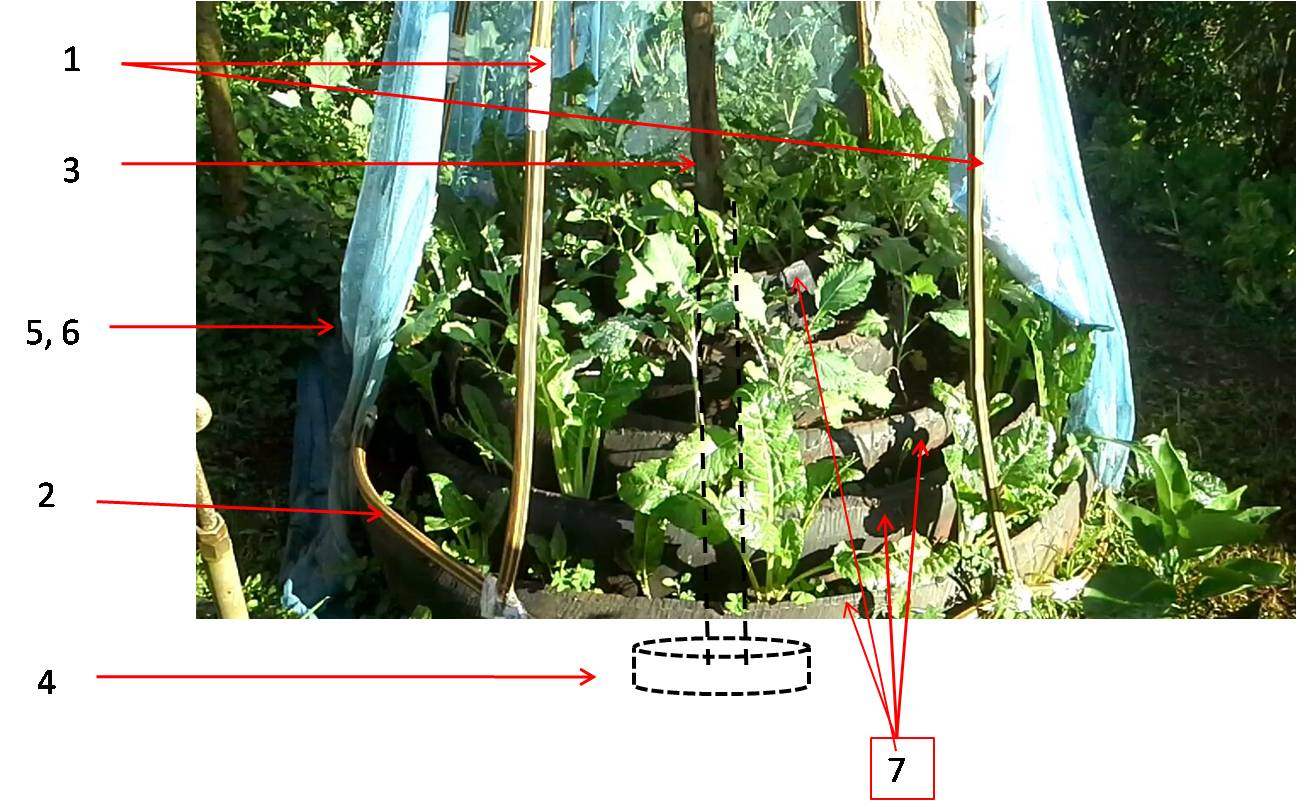
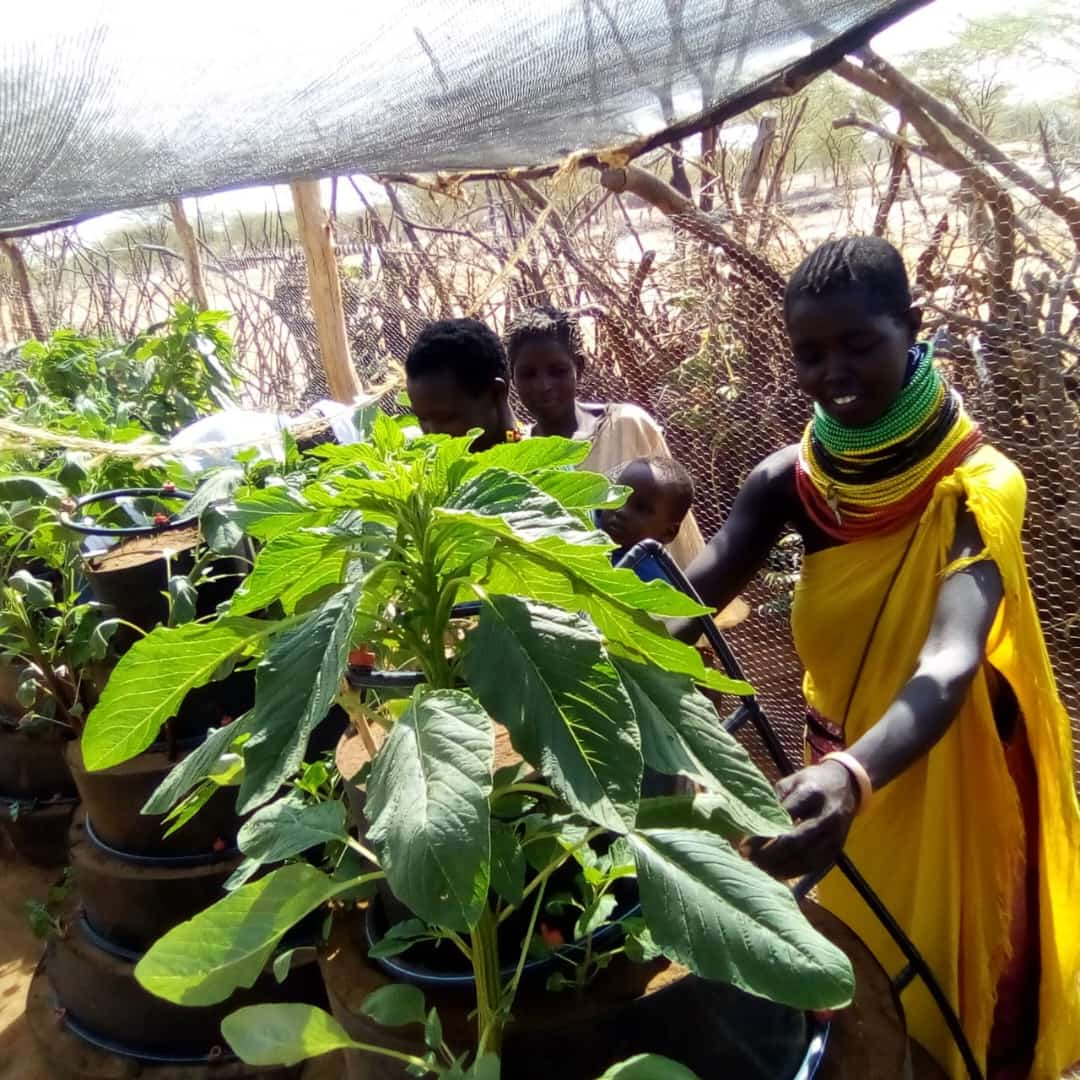
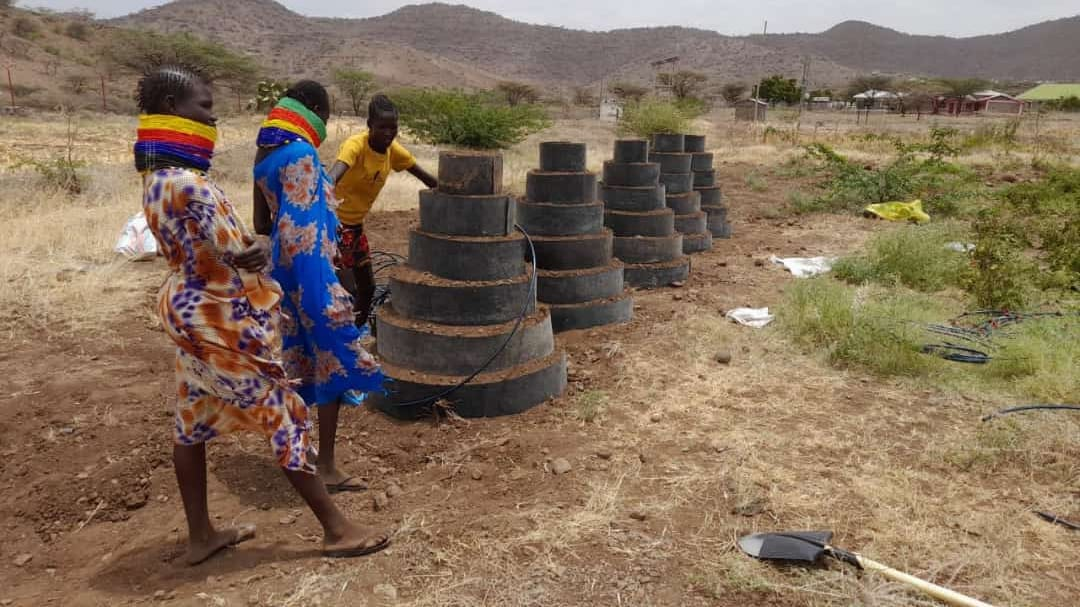
Vertical Garden
Estimated Budget & Materials
| Item | Qty/No | Unit Price (Ksh) | Description | Total Cost (Ksh) |
|---|---|---|---|---|
| 1 | 6 pcs | 100 | 20mm (0.5") PE black conduit pipe for lateral shade net support | 600 |
| 2 | 11 m | 120 | 1" Φ PPR pipe for top & bottom shade net support | 1,320 |
| 3 | 1 pc | 500 | 0.75" Black pipe for centre shade net support | 500 |
| 4 | 1 pc | 250 | Centre black pipe base support, modified for supporting centre black pipe | 400 |
| 5 | 10 m² | 100 | Shade net requisite lateral surface area. | 1,000 |
| 6 | — | — | Shade net stitched and modified into a cone shape with access to interior. | 500 |
| 7 | 21 m | 50 | Vehicle tyre piece requisite length | 1,050 |
| 8 | — | — | Vehicle tyre modifications into circular terraces | 500 |
| — | — | — | Sub-total (approx) | 5,870 |
| 9 | — | — | Transport | |
| 10 | — | — | Accommodation (2 nights max) | |
| 11 | — | — | Labour | |
| 12 | — | — | Total |
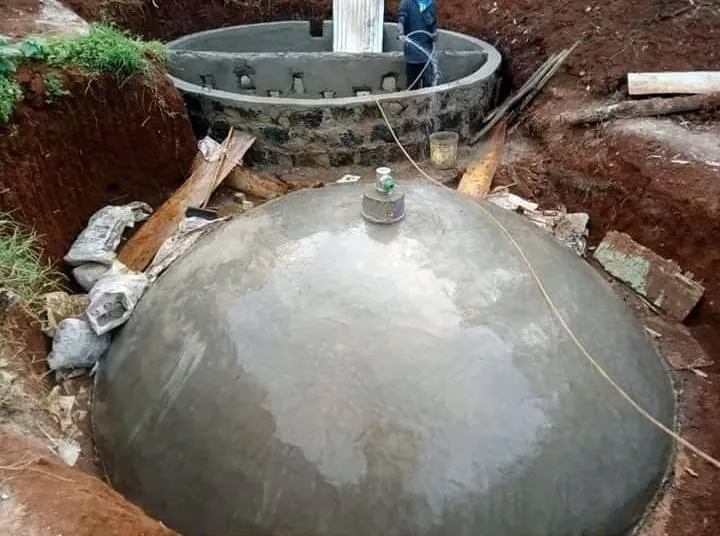
Biogas Plant Construction & Utilisation
We design and construct digesters to transform organic waste into clean cooking energy. It is important to note that cow manure is the source of the primary feedstock for vermicomposting, not the biogas plant. Hence, the role of the biogas plant is not critical but helpful nonetheless. Farmers can collect the manure, store it, and feed it to the earthworms in the vermireactor directly.
Research & Nutrient Enhancement
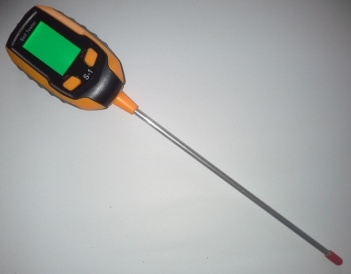
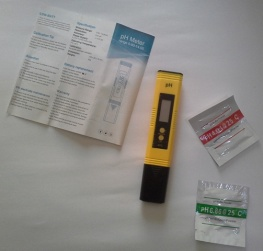
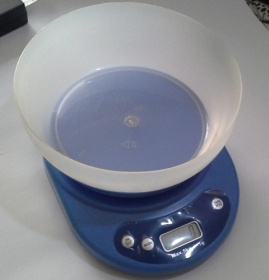
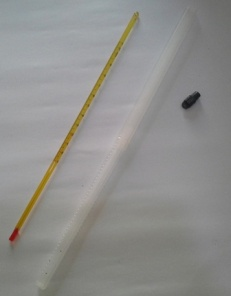
Increasing the nutrient content of the vermicompost is a major activity. Through ongoing field trials and laboratory analysis, we continually refine our methodologies to maximize the efficacy of our agricultural inputs.
Targeted Enhancement
Macro nutrients such as NPK (Nitrogen, Phosphorus, and Potassium) can be gradually increased by the strategic addition of special ingredients in the earthworm feedstock.
Let's build a closed-loop system together.
Get in touch to order custom organic waste recycling units, secure premium worm castings, or schedule a site trial on your farm.